Seohyeon Cha
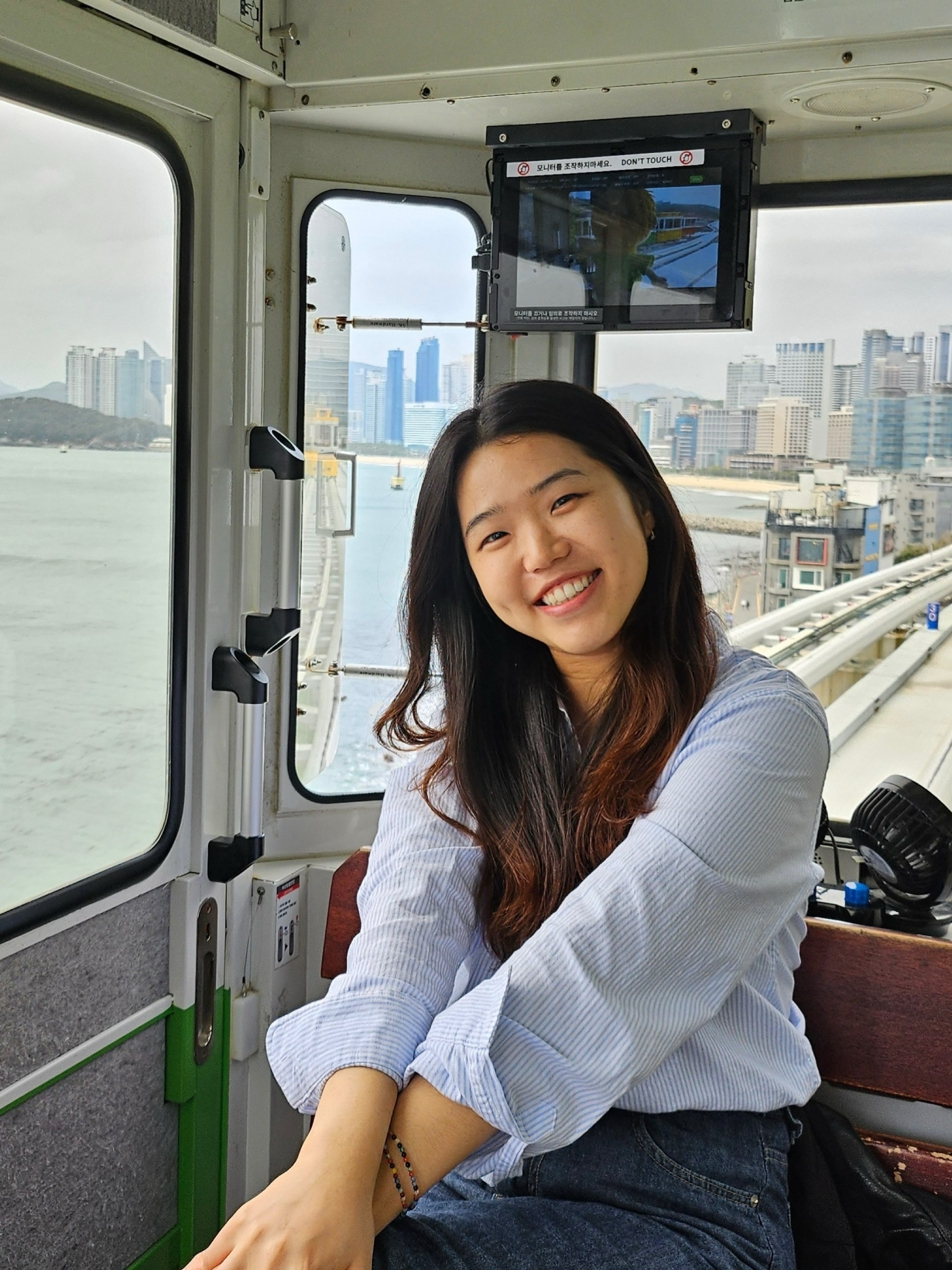
I am a Ph.D. student in Electrical and Computer Engineering at The University of Texas at Austin, advised by Prof. Haris Vikalo. I earned my M.S. and B.S. in Electrical Engineering at KAIST, with Summa Cum Laude honors for my B.S.
I develop resource-efficient machine learning methods for deploying and adapting AI models across distributed systems and devices with limited hardware resources. My research aims to reduce the memory, computation, and communication costs of training and inference. Recent work includes LLM post-training quantization, federated and continual learning, and resource-aware model placement across cloud, edge, and embedded systems.
Summer 2027: I am actively seeking research internship opportunities.
News
| Sep 2026 | Our paper CoreQ was accepted to NeurIPS 2026 as a Spotlight (top 5.1% of accepted papers). |
|---|---|
| Summer 2026 | I started a research internship with the embedded AI team at Texas Instruments Kilby Labs. |
| Jun 2026 | Our paper FedProTIP was accepted to Transactions on Machine Learning Research. |
| Apr 2026 | Our paper FedRot-LoRA was accepted to ICML 2026. |
| Jan 2026 | Our paper Quantized Gradient Projection for Memory-Efficient Continual Learning was accepted to ICLR 2026. |
Education
| 2024 - Present | The University of Texas at Austin, Austin, TX Ph.D. in Electrical and Computer Engineering Advisor: Prof. Haris Vikalo |
|---|---|
| 2022 - 2024 | KAIST, Daejeon, South Korea M.S. in Electrical Engineering Advisor: Prof. Joonhyuk Kang |
| 2017 - 2022 | KAIST, Daejeon, South Korea B.S. in Electrical Engineering Summa Cum Laude |
Experience
| Summer 2026 | Texas Instruments Kilby Labs Research Intern, Embedded AI Team |
|---|---|
| 2024 - 2025 | The University of Texas at Austin Research Assistant |
| Summer 2019 | SK hynix Undergraduate Summer Intern |
Publications
* indicates equal contribution.
-
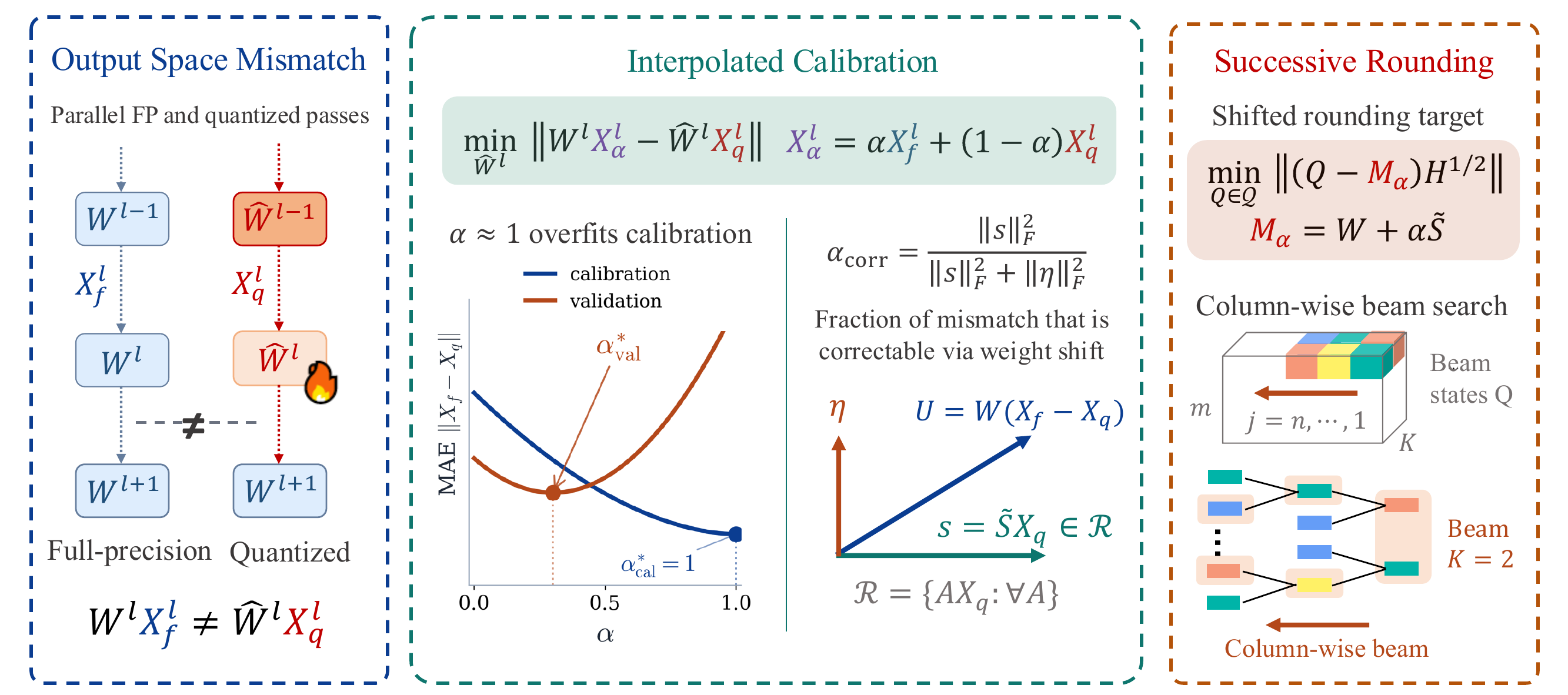 CoreQ: Learning-Free Mismatch Correction and Successive Rounding for QuantizationAdvances in Neural Information Processing Systems (NeurIPS), 2026 · Spotlight (top 5.1% of accepted papers)
 -
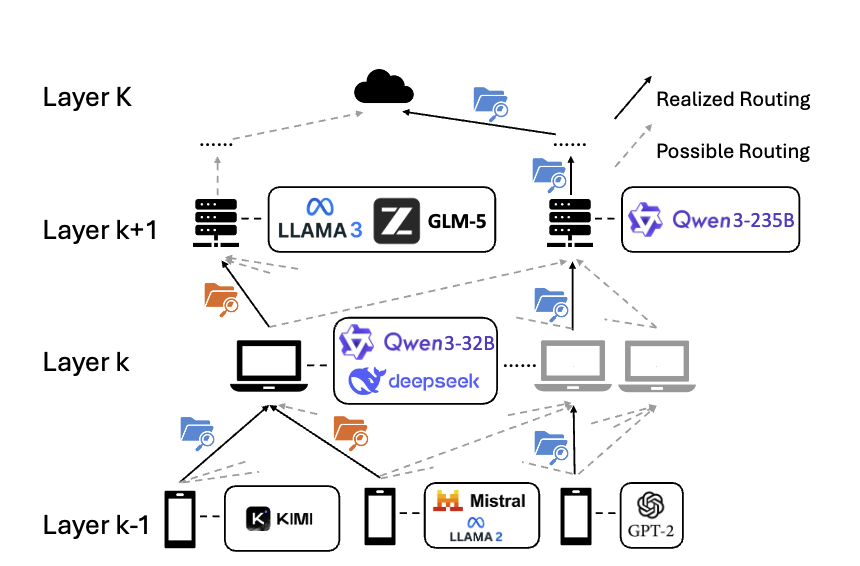 Online Learning for Multi-Layer Hierarchical Inference under Partial and Policy-Dependent FeedbackarXiv preprint, 2026
 -
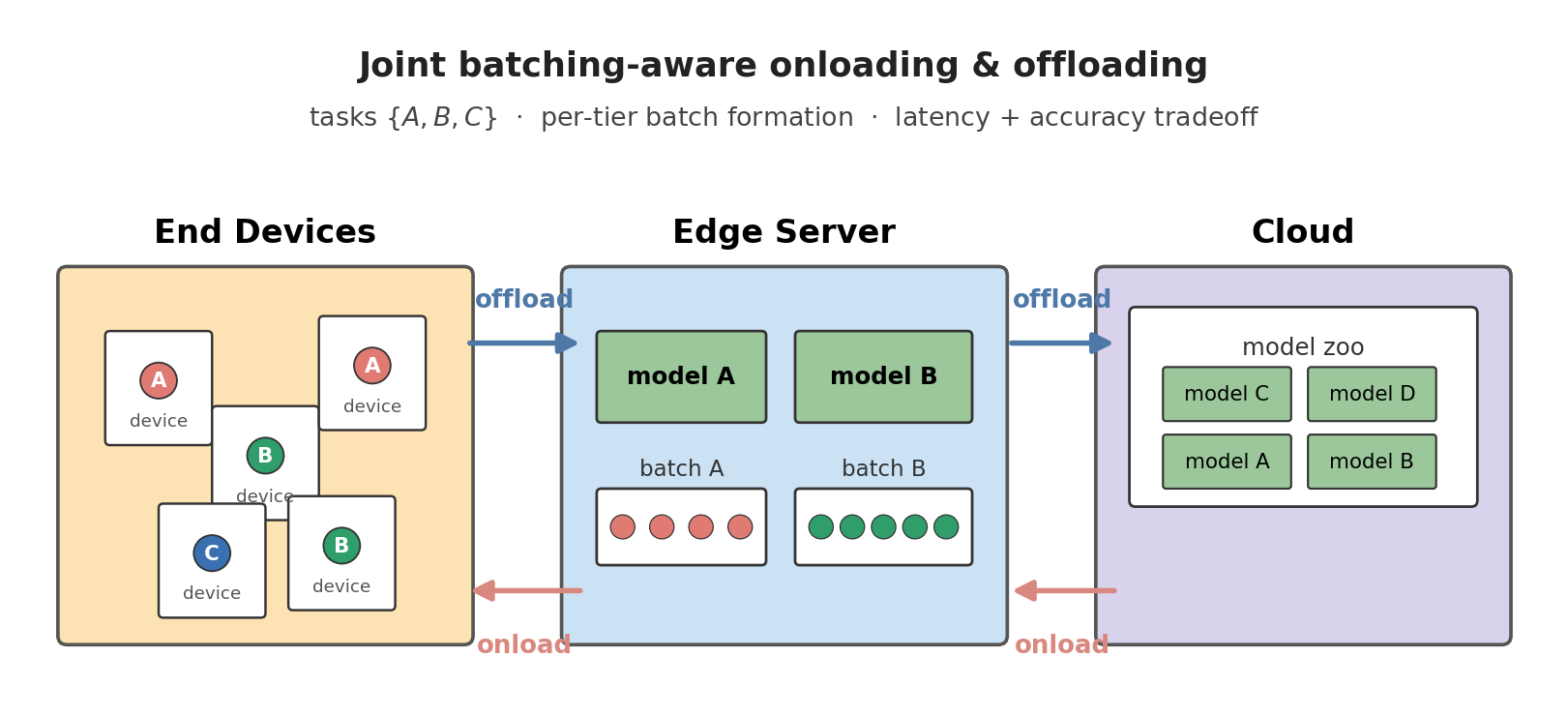 Batching-Aware Joint Model Onloading and Offloading for Hierarchical Multi-Task InferencearXiv preprint, 2025
 -
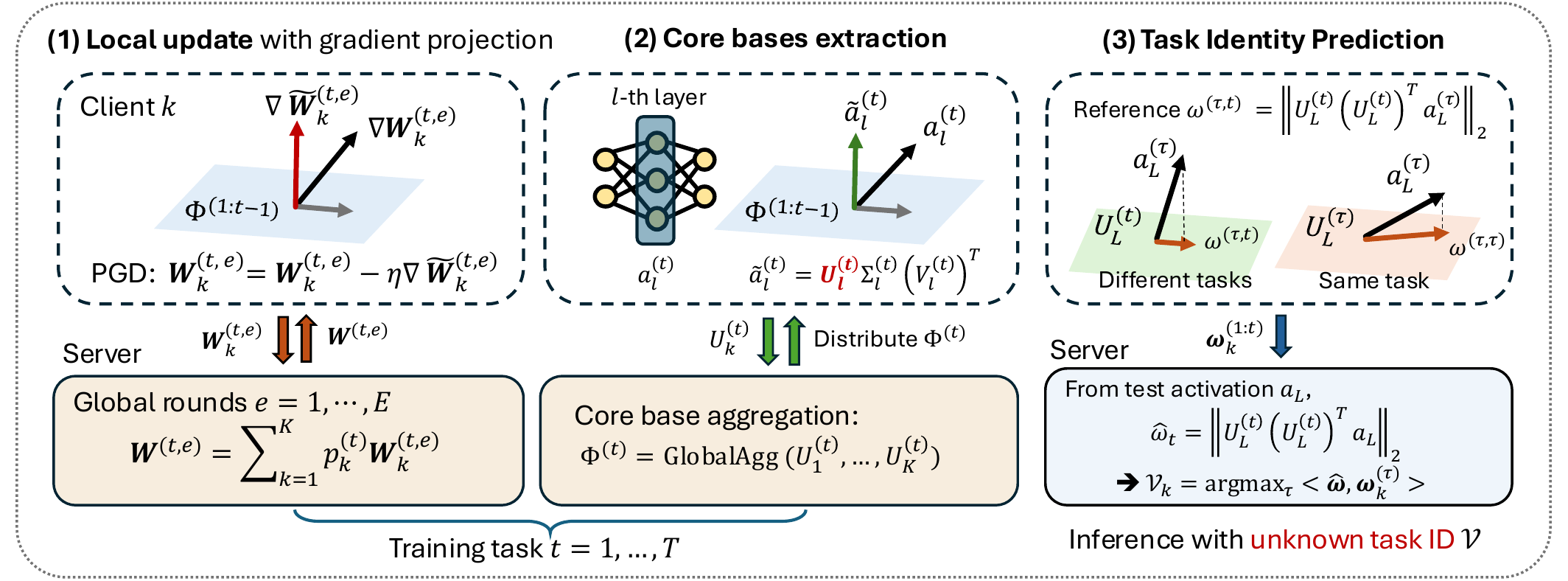 FedProTIP: Task-Agnostic Federated Continual Learning via Replay-Free Gradient ProjectionTransactions on Machine Learning Research, 2026
 -
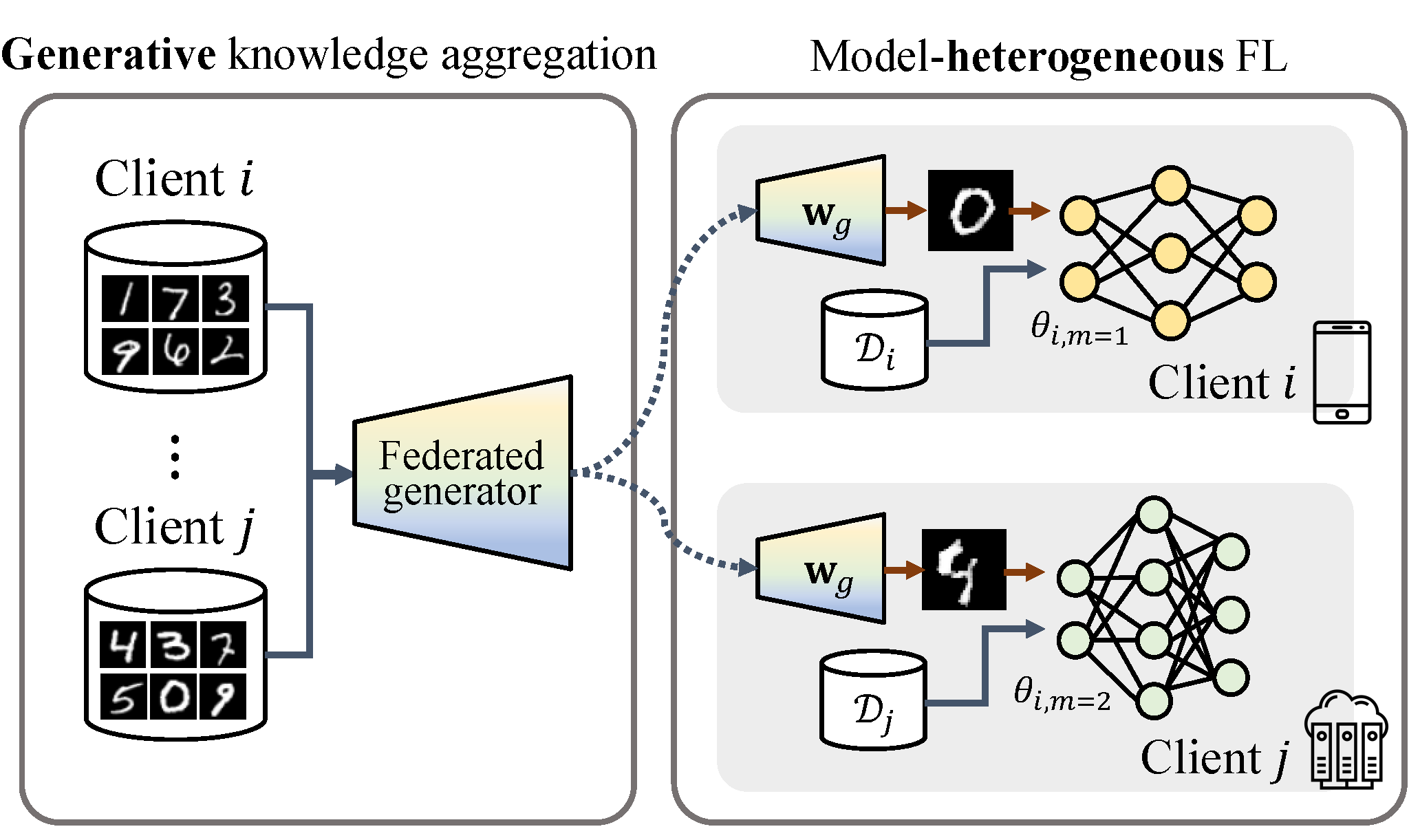 GeFL: Model-Agnostic Federated Learning with Generative ModelsIEEE Transactions on Mobile Computing, 2025
 -
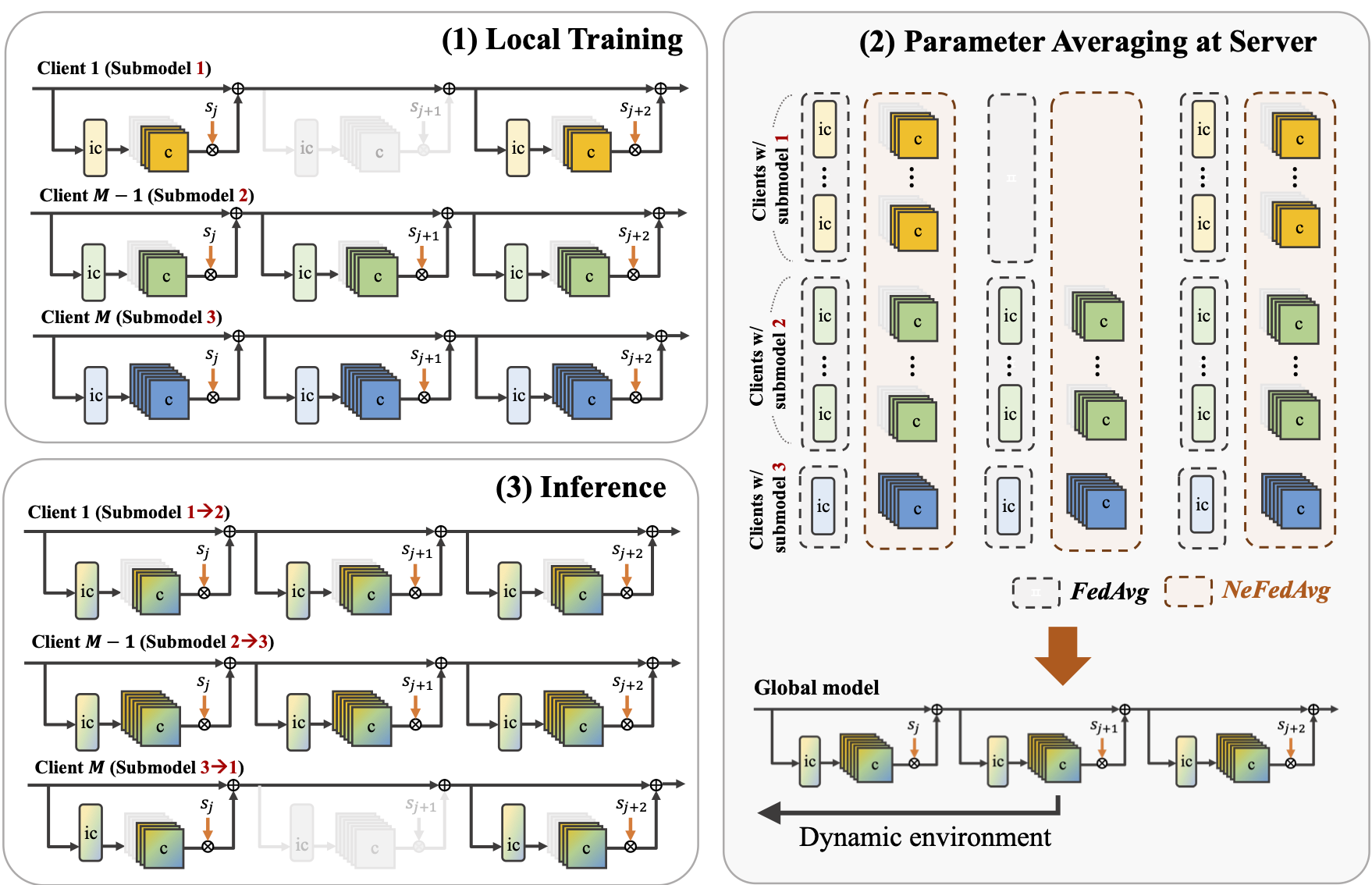 NeFL: Nested Model Scaling for Federated Learning with System Heterogeneous ClientsIEEE Transactions on Mobile Computing, 2025
 -
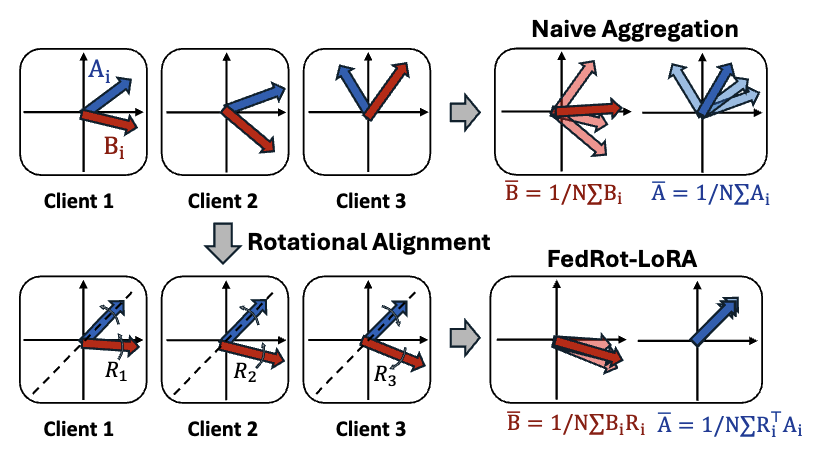 FedRot-LoRA: Mitigating Rotational Misalignment in Federated LoRAInternational Conference on Machine Learning (ICML), 2026
 -
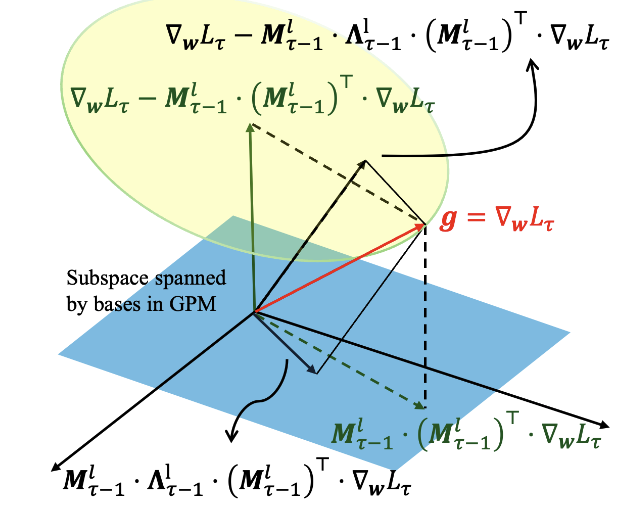 Quantized Gradient Projection for Memory-Efficient Continual LearningInternational Conference on Learning Representations (ICLR), 2026
 -
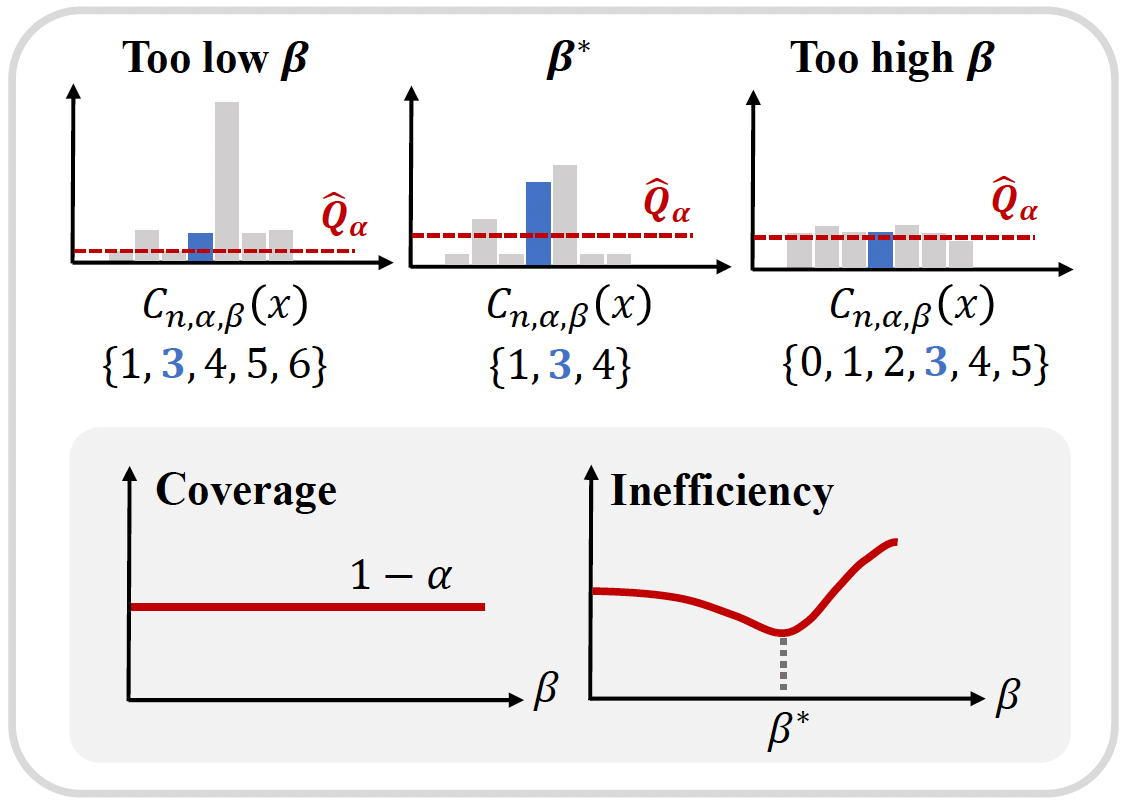 On the Temperature of Bayesian Graph Neural Networks for Conformal PredictionNeurIPS 2023 GLFrontiers Workshop
 -
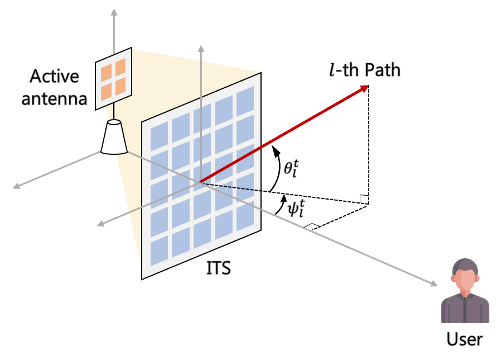 Intelligent Surface-aided Transmit-array Antenna in mmWave Communication System with Historical Channel ObservationIEEE ICCE-Asia, 2022
Honors and Teaching
Honors and Awards
|